
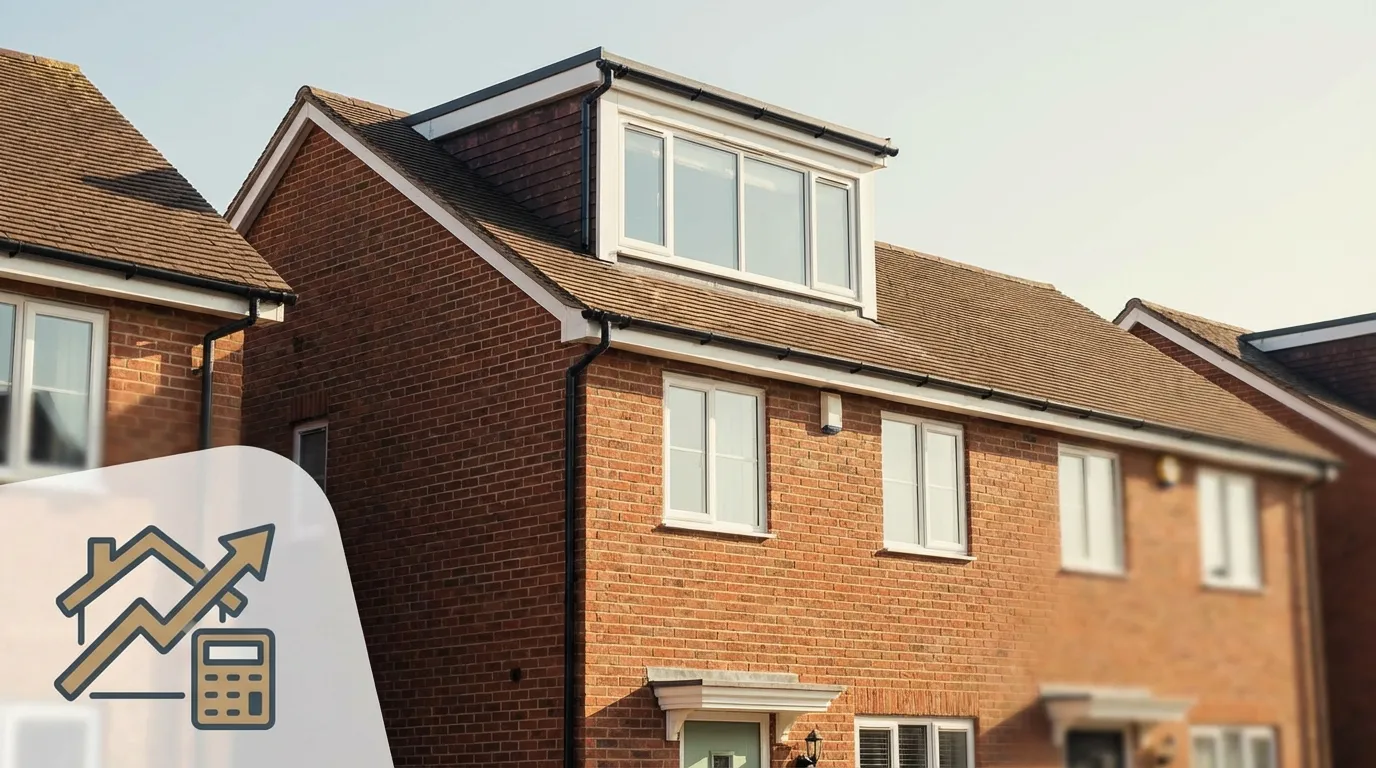
If you're looking for a way to add meaningful space to your home without the upheaval of moving, a dormer loft conversion is one of the most practical and popular choices available to UK homeowners. Whether you need an extra bedroom, a dedicated home office, or simply room for a growing family, a well-planned dormer can turn an underused attic into a genuinely functional part of your home.
At Premier Building Services, we've helped homeowners across Bournemouth and Dorset unlock the potential sitting above their ceilings. In this guide, we'll walk you through everything you need to know: what a dormer loft conversion actually involves, what it typically costs, whether your property is suitable, and what the process looks like from the very first conversation to the final handover.
What Is a Dormer Loft Conversion?
A dormer loft conversion involves extending a section of an existing sloped roof outward to create additional vertical space within the loft. The result is a box-shaped structure that projects from the roofline, typically featuring a flat or gently pitched roof of its own and one or more windows. Unlike a simple rooflight conversion, which fits skylights flush into the existing roof slope without altering its structure, a dormer adds genuine floor-to-ceiling height and usable floor area.
The term "dormer" refers to the protruding window structure itself, but in common usage it describes the entire extended roof section that creates the additional room. Because dormers can be applied to most standard house types, including terraced, semi-detached, and detached homes, they are among the most widely accessible loft conversion options available.
For many homeowners, a dormer strikes the right balance between cost, practicality, and design flexibility. It offers far more usable space than a rooflight-only conversion and is typically more affordable than a full mansard conversion, which involves rebuilding much of the roof structure entirely.
Types of Dormer Loft Conversion
Not all dormer loft conversions are identical. The style that works best for your home will depend on your roof structure, your budget, and the look you're trying to achieve. Here are the most common types:
Flat-Roof Rear Dormer
The most common type seen across the UK, a flat-roof rear dormer extends across the full width or a large portion of the rear roof slope. It maximises usable floor space and is a cost-effective, practical choice for most standard terraced and semi-detached homes.
L-Shaped Dormer
Popular on Victorian and Edwardian terraced properties, an L-shaped dormer combines a rear extension with a second dormer over a rear outrigger or return. This significantly increases the available floor area and is ideal where maximising space is the primary goal.
Shed Dormer
Similar in footprint to a flat-roof dormer but with a gently sloping single-pitch roof. This style can be more sympathetic in areas where planning authorities prefer a pitched roof finish over a flat one.
Hip-to-Gable Dormer
This type involves converting the sloping hip end of a roof into a vertical gable wall, often combined with a rear dormer to create a larger overall space. It is particularly well suited to end-of-terrace and detached properties with hipped roofs.
Each property presents its own set of opportunities and constraints. Part of what we do during an initial consultation is assess which approach is genuinely the best fit for your home.
Dormer vs Velux: What Is the Difference?
A Velux or rooflight conversion is the most straightforward form of loft conversion. It involves fitting windows into the existing roof slope without altering the roofline at all. This makes it a lower-cost option, but the available headroom and usable floor space remain limited by the existing pitch of the roof.
A dormer conversion goes further. By extending the roofline outward and creating full-height vertical walls, it delivers a far larger and more comfortable habitable space. If your loft has restricted headroom, or if you want the converted room to function properly as a bedroom, office, or living area, a dormer is in most cases the more suitable solution.
Is My Home Suitable for a Dormer Loft Conversion?
Most homes with a traditional pitched roof have the potential for a dormer loft conversion, but there are several factors worth considering before committing to the project.
Existing headroom: A minimum ridge height of around 2.2 to 2.3 metres is generally required for a loft conversion to be structurally viable, though a dormer will increase usable height considerably beyond what the existing space provides.
Roof structure: Homes built with a cut timber roof, which is typical of properties built before the 1960s, tend to be more straightforward to convert. Properties built with modern trussed rafter roofs require additional structural alterations, which can affect cost and complexity.
Property type: Terraced, semi-detached, and detached homes are all suitable candidates. However, listed buildings and properties within conservation areas may face additional restrictions that require careful consideration.
Party wall implications: Where a shared boundary wall is involved, the Party Wall etc. Act 1996 may apply. You will typically need to notify your neighbours before any work begins. It is advisable to seek professional guidance on this early in the process.
We always begin with a site visit to assess your property properly before any commitment is made. It gives us the information we need, and it gives you a clear, honest picture of what is achievable.
How Much Does a Dormer Loft Conversion Cost?
Cost is understandably one of the first things homeowners want to understand, and it's important to approach it with realistic expectations. Dormer loft conversions in the UK typically range from approximately £35,000 to £65,000 or more, depending on a range of variables.
The key factors that influence cost include:
Size and scope: A larger dormer with more finished floor area will naturally cost more in both materials and labour.
Type of dormer: An L-shaped or hip-to-gable conversion involves greater complexity than a standard rear dormer and will generally carry a higher price.
Specification and finish: The quality of windows, insulation, flooring, and bathroom fittings, if an en-suite is included, will all have a meaningful impact on the final cost.
Structural requirements: If your property has a trussed rafter roof, steelwork and additional structural modifications may be required, adding to the overall budget.
Location and regional labour rates: Labour costs vary across the country. In Dorset and the wider South of England, costs reflect the regional market, and it is always worth seeking a locally grounded quote rather than relying solely on national averages.
Beyond the build itself, it is also worth factoring in professional fees. These can include architect or designer fees, structural engineer costs, and building regulations application fees, all of which form part of the total project budget.
At Premier Building Services, every project begins with a detailed, itemised quotation that clearly sets out the scope of work, the cost, and the timeline. There are no hidden figures and no surprises once work is underway. If you'd like to understand what a dormer loft conversion might realistically cost for your specific property, we offer a free, no-obligation site visit and assessment. Get in touch with our team to arrange yours.
Planning Permission and Permitted Development
One of the most common concerns for homeowners considering a dormer is whether planning permission will be required. In many cases, the answer is no, provided the work falls within what is known as permitted development rights.
Under permitted development, a dormer loft conversion on a standard house is generally permitted without a formal planning application, subject to a set of conditions. These include:
- The additional roof space created must not exceed 40 cubic metres for terraced houses, or 50 cubic metres for detached and semi-detached properties.
- The extension must not project higher than the highest part of the existing roof.
- The dormer must not overhang the outer face of the wall below.
- Materials used should be similar in appearance to those of the existing house.
- The dormer must not be positioned on any elevation that faces a public highway.
There are, however, important exceptions. Properties that are listed buildings, or that sit within a conservation area or an area of outstanding natural beauty, may have permitted development rights restricted or removed entirely. In these circumstances, a full planning application will be required.
The Planning Portal provides detailed and up-to-date guidance on the permitted development rules that apply to loft conversions, and we would always recommend reviewing this as part of your early research. Where a planning application is needed, we can help guide you through that process.
Building Regulations for Dormer Loft Conversions
Regardless of whether planning permission is required, all dormer loft conversions must comply with building regulations. These are mandatory standards designed to ensure that building work is structurally safe, energy efficient, and fit for habitation. Building regulations approval is a legal requirement and is not discretionary.
For a dormer loft conversion, building regulations will typically cover the following areas:
Structural integrity: New steelwork, modified floor joists, and any changes to the roof structure must be designed and signed off by a qualified structural engineer.
Fire safety: There must be a protected escape route from the new room down to the ground floor. This usually requires fire doors to be fitted throughout the staircase route.
Staircase access: A fixed staircase providing safe access to the new loft room must be installed as part of the conversion.
Insulation and thermal performance: The new space must meet current energy efficiency standards, which generally means high-performance insulation throughout the dormer structure.
Ventilation and natural light: The converted room must have adequate ventilation and access to natural daylight.
The Planning Portal provides specific guidance on building regulations for dormer conversions, and the Federation of Master Builders also offers a comprehensive overview of what the regulations require. We manage the building regulations process as part of every project, coordinating directly with the local authority building control inspector so that you don't have to navigate it alone.
The Benefits of a Dormer Loft Conversion
Beyond the additional space itself, a dormer loft conversion offers a number of practical and financial advantages that are worth considering as part of your decision.
Increased property value: A well-executed dormer conversion can add meaningful value to your home. Adding a habitable bedroom, particularly one with an en-suite bathroom, can make a measurable difference to your property's market appeal, particularly in areas like Bournemouth where demand for family homes remains strong.
A more cost-effective alternative to moving: When you account for stamp duty, estate agent fees, legal costs, and removal expenses, moving home often costs far more than extending it. A dormer loft conversion can deliver the space you need at a fraction of the cost of upsizing.
Flexible use of space: A converted loft can serve as a master bedroom with en-suite, a children's bedroom, a dedicated home office, a creative studio, or a guest room. The space works for your life as it is now, and adapts as your circumstances change.
Quicker delivery under permitted development: Where planning permission is not required, you can often proceed without the delays of a formal application, shortening the time from decision to completion.
Improved thermal efficiency: Modern insulation installed as part of the dormer structure can improve the thermal performance of the home as a whole, reducing heat loss through the roof.
How We Manage a Dormer Loft Conversion from Start to Finish
At Premier Building Services, we act as the main contractor for the entire project. That means you deal with one team from your initial enquiry through to the final handover, with no handoffs, no confusion about responsibility, and no gaps in communication.
A typical dormer loft conversion with us follows a clear and structured process:
Consultation and Site Visit: We visit your property, assess its suitability, discuss your requirements, and give you honest, straightforward guidance on what is feasible, what the timescales look like, and what the next steps involve.
Detailed Quotation: We provide a fully itemised quotation before any work starts. Scope, costs, and timeline are all clearly set out, so you know exactly what you're committing to.
Planning and Preparation: Where required, we support you through planning or building regulations submissions, and coordinate with structural engineers to ensure everything is in order before work begins.
Construction Phase: Our team carries out the work with a focus on quality, safety, and minimal disruption to your daily life. We take the same pride in keeping a tidy, well-managed site as we do in the quality of the finished result.
Final Inspection and Handover: Before we hand the space over to you, we carry out a thorough inspection to ensure everything has been completed to the standard we've committed to.
We've built our reputation in Bournemouth and across Dorset on delivering projects on time, on budget, and to a finish that clients are genuinely proud of. As Robert and Linda shared after their home extension with us:
"A first-class build delivered on time and on budget, attracting ongoing praise from everyone who sees it. Steve and his team are meticulous, enthusiastic and proactive… They were also the tidiest builders we've ever worked with, keeping the site clean throughout and leaving it spotless at completion."
That same standard of care applies to every project we take on, including loft conversions and extensions of every type and size.
Ready to Explore a Dormer Loft Conversion for Your Home?
If you're considering a dormer loft conversion and want straightforward, expert advice from a team you can trust, we'd love to hear from you. We offer a free site visit and no-obligation quote, giving you everything you need to make a confident and informed decision.
You can find out more about who we are and how we work, or contact us directly to arrange your free assessment. We're here to help you make the most of your home.