
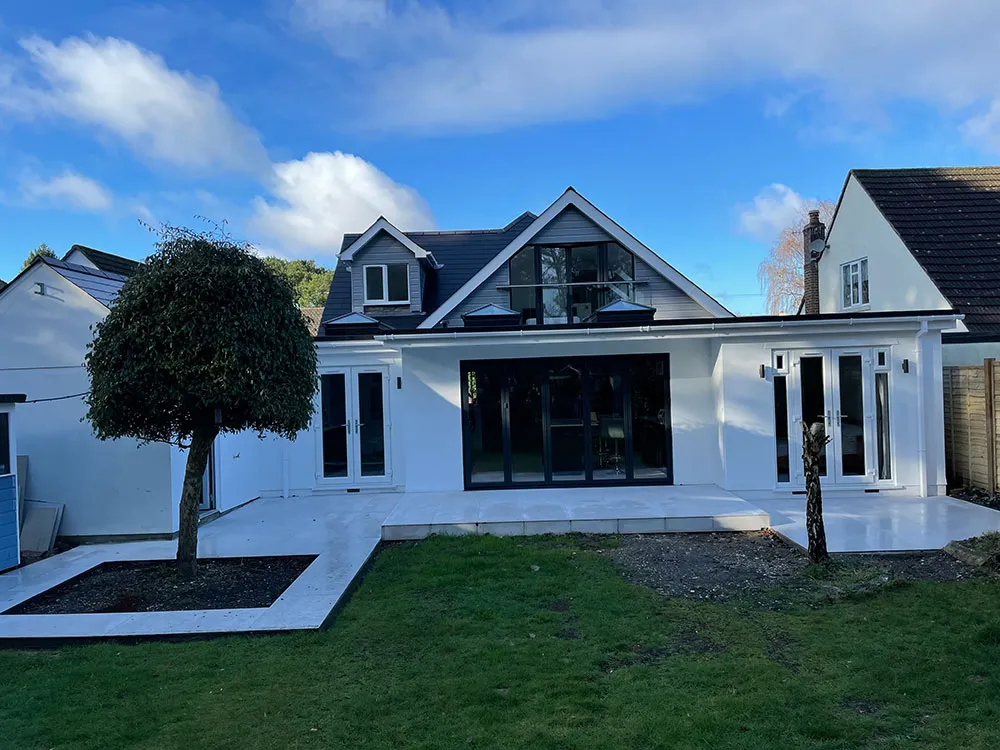
Finding the right builder is one of the most important decisions in any home renovation project, and it’s also one of the easiest to get wrong. A good builder can make even a large, complex project feel manageable, while a poor one can turn a simple job into months of stress and unexpected cost. If you’re looking for Bournemouth builders you can actually rely on, here’s what to check before you commit to anyone.
Start With Recommendations, Not Just Search Results
The strongest signal of a good builder is usually a personal recommendation from someone who’s had similar work done recently. Ask neighbours, friends, or local community groups whether they’d use their builder again — not just whether they were happy with the finished result, but whether the process itself was smooth. A builder can produce good work and still be a nightmare to deal with along the way, and that’s often the detail people only mention when asked directly. Local Facebook groups and community forums are often more honest than online review platforms, since neighbours have no reason to inflate or exaggerate their experience either way.
Search results and directory listings are a reasonable way to build an initial shortlist, but they shouldn’t be the only research you do. A builder who ranks well or appears in a directory hasn’t necessarily been vetted for quality — it usually just means they’ve claimed a listing. Treat online search as the starting point for finding names, not the final word on whether any of them are actually good.
Check Trade Body Membership and Insurance
Membership of a recognised trade body, such as the Federation of Master Builders (FMB), signals a level of vetting and accountability that an unaffiliated tradesperson doesn’t have to meet. Trade bodies typically require proof of insurance, financial stability checks, and adherence to a code of conduct, which gives you somewhere to raise a complaint if something does go wrong further down the line.
It’s also worth asking directly about public liability insurance and, where relevant, warranty schemes like Build Assure or similar guarantee-backed cover. This matters more than it might seem — if a builder is injured on your property, or if defective work only becomes apparent months after completion, the right insurance and warranty cover is what protects you as the homeowner. A builder confident in their own work won’t hesitate to provide this information, and any reluctance or vagueness here is itself a useful signal worth paying attention to.
Look at Real, Verifiable Past Work
Photos on a website are a good starting point, but they’re easy to present selectively — every builder shows their best projects, not a representative sample of everything they’ve done. Ask for the addresses or contact details of previous clients you can actually speak to, ideally for a project of similar scope and complexity to your own.
A builder who’s genuinely proud of their work will usually be happy to arrange this without hesitation. Hearing directly from a past client about how problems were handled, whether timelines slipped, and how communication worked day-to-day tells you far more than a polished portfolio page ever will. If possible, ask to see a finished project in person rather than just in photographs — it’s much easier to judge finish quality up close.
Get a Detailed, Written Quotation — Not a Verbal Estimate
A proper quotation should break down labour, materials, and the specific scope of work, not just present a single total figure. This matters because it’s the document you’ll refer back to if there’s ever a disagreement about what was originally agreed, and a vague quote leaves far too much open to interpretation once work is underway.
Be cautious of quotes that arrive suspiciously quickly without a proper site visit, since an accurate price genuinely depends on seeing the space, the access, and any structural considerations first-hand. A builder quoting a firm price without visiting the property is either working from very rough assumptions or planning to revise the figure upward once the real scope becomes clear on site.
Ask Who Will Actually Be Managing the Project
On larger projects, especially, it’s worth understanding whether you’ll have a single point of contact throughout or will be coordinating between multiple subcontractors yourself. Projects with clear, consistent project management from a single team tend to run more smoothly and with fewer communication gaps than those where responsibility is split across several separately hired trades, each with their own schedule and priorities.
This becomes particularly important on projects involving several trades — plumbing, electrics, plastering, tiling — where poor coordination between them is one of the most common causes of delays and cost overruns. Ask directly how the builder manages scheduling between trades, and who you should contact if something needs adjusting mid-project.
Watch for the Common Warning Signs
A few patterns recur among problem builders: reluctance to provide a written quotation, requests for large upfront payments before any work has started, unwillingness to share references, and vague or evasive answers when asked about insurance or trade body membership. None of these alone is necessarily disqualifying — a small independent tradesperson might genuinely not belong to a trade body, for instance — but more than one of these together is worth taking seriously before signing anything.
Pressure to make a fast decision is another signal worth noticing. A reputable builder generally has enough demand that they don’t need to rush you into committing before you’ve had a chance to compare quotes or check references properly.
Trust the Consultation Itself
The initial site visit and consultation tell you a lot beyond just the quote they produce. Did the builder ask good questions about how you actually use the space and what you’re trying to achieve? Did they flag potential issues honestly, even if it meant giving a more complex — and more expensive — answer than you were hoping for?
A builder who’s straightforward at this early stage, willing to explain trade-offs rather than just agreeing with whatever you suggest, is generally more likely to stay straightforward once the work is actually underway. This first impression is often a genuinely reliable indicator of how the rest of the project will go.
Frequently Asked Questions
Three is a common benchmark, though what matters more than the number is making sure each quote covers exactly the same scope of work, so you’re genuinely comparing like-for-like rather than different levels of detail.
Not necessarily. A quote significantly lower than others can sometimes indicate corners being cut on materials, insurance, or project management, so it’s worth understanding why a price is lower before assuming it’s the better deal.
A reasonable deposit is normal practice, but it should be proportionate to materials being ordered, not the full project value. Be wary of any request for a large upfront payment before meaningful work has begun.
The only reliable way is a site visit and a detailed written quotation — we offer this free with no obligation.
Looking for Builders in Bournemouth You Can Trust?
Premier Building Services has been delivering extensions, renovations and full home remodelling across Bournemouth for over 40 years, with a single team managing every project from consultation through to handover. Get in touch for a free, no-obligation quotation.